A different kind of prestige
Luxury used to be about exclusivity, materials, and scale. Now, it is increasingly about evidence of human agency. The visible trace of a maker, the so-called human fingerprint, has moved from a romantic detail to a strategic differentiator. For brands that want to be perceived as premium, authenticity is not optional, it is central.
Why this matters now
As mass-produced perfection and AI-generated imagery saturate markets, an opposite impulse is growing. Consumers are tired of flawless, interchangeable outputs. They seek objects and experiences that carry human narrative, intention, and imperfection. This trend is reshaping how luxury is defined, from bags and furniture to tech and digital products.
What the human fingerprint means in 2026
A literal mark, and a cultural signal
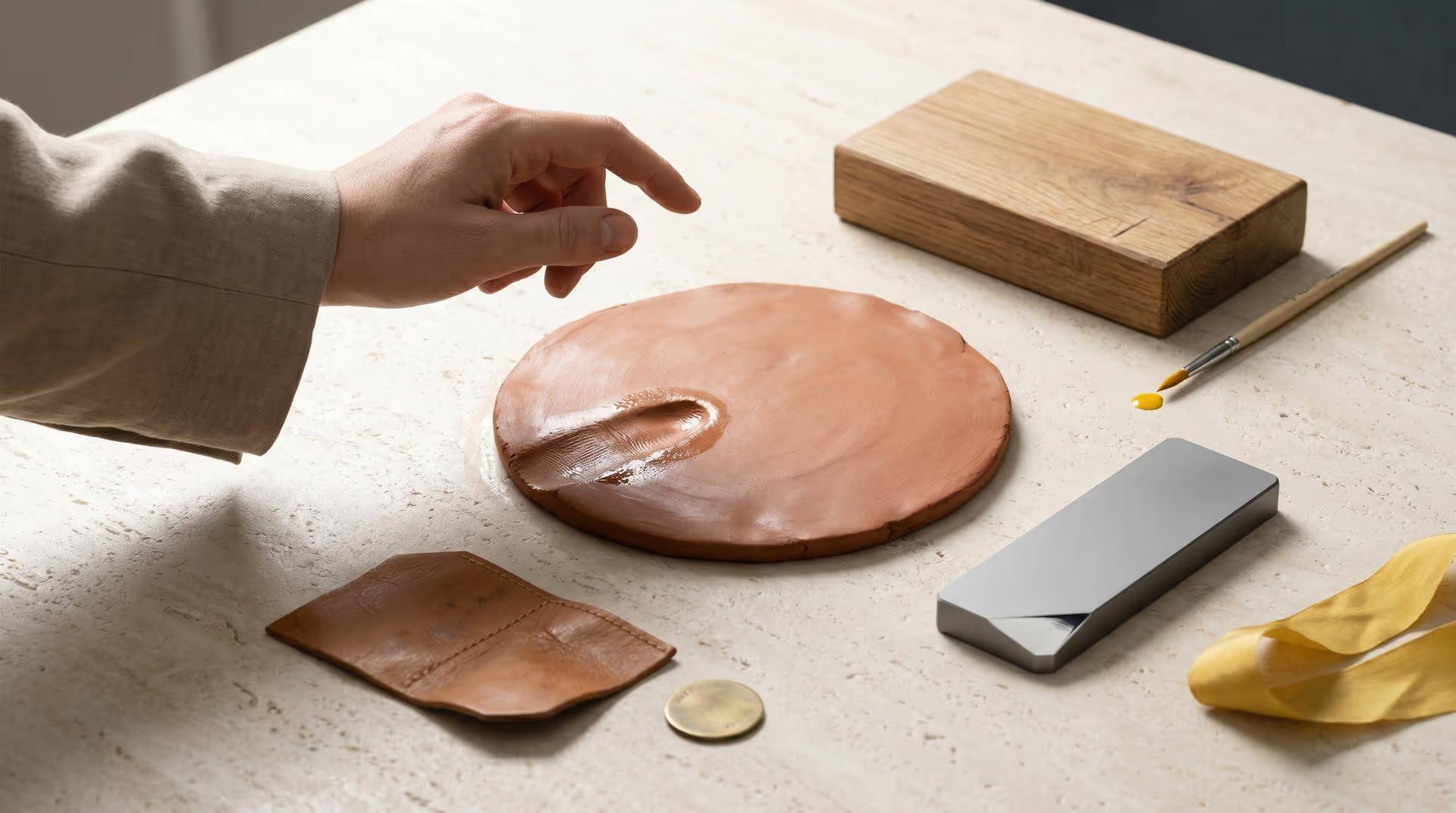
The human fingerprint is both physical and philosophical. Physically, it can be a thumbprint in clay, a visible seam on leather, or a hand-sanded finish on wood. Philosophically, it is the narrative of a maker, the visible evidence that a human chose, decided, erred, and corrected. Archaeologists use literal fingerprints on ancient pottery to attribute works to individual artisans. In the commercial world, these marks function as provenance, trust, and meaning.
A luxury code
The human fingerprint now reads like a premium hallmark. It signals time invested, craft knowledge, and scarcity. It also delivers emotional resonance: people connect to other people more easily than to machines, and that connection is a currency in high-end markets.
Why this matters for growing companies
Motivations
- Differentiate in crowded categories by offering distinctiveness that machines cannot replicate in a meaningful way.
- Build deeper loyalty by creating products and experiences that feel owned by a person or a small team, not an algorithm.
Fears and pressures
- Risk of appearing inauthentic if human markers are simulated or performative.
- Scaling tension: how to keep human agency visible when demand increases.
- Ethical scrutiny: celebrating craftsmanship must not conceal unfair labor practices.
Commercial upside
Visible human authorship can justify premium pricing, increase retention, and strengthen storytelling across channels. The global handicrafts market projection, from $739.95 billion in 2024 to nearly $1 trillion by 2030, reflects growing consumer appetite for provenance and narrative.
Studio Yellow perspective
Studio Yellow thinks about the human fingerprint as a strategic asset, not an aesthetic afterthought. Our positioning unites high design, data, and human storytelling. We do not reject technology. Instead, we curate how technology is used so human agency remains the primary signal.
Key principles we use
Human-first authorship: Ensure a visible maker story exists at product and brand levels, from production photos to micro-copy that explains intentional imperfections.
MAYA Principle applied: Use the most advanced, yet acceptable techniques to introduce human marks into modern products, balancing innovation with familiar cultural cues.
Data-guided craft: Use customer insight to determine which human traces have most value for a specific audience, and measure their impact on perception and conversion.
Examples of practical alignment
Collaborations that combine machine precision and hand finishing, such as 3D-printed components with human glazing, maintain consistency while preserving uniqueness.
Digital spaces that use tactile digitalism, with hand-drawn textures and organic UI details, reduce the coldness of pure digital perfection.
How to put the human fingerprint to work, step by step
1. Audit your touchpoints for human evidence
Inventory packaging, product photography, website interfaces, and customer communications. Ask, where does the maker show up? Where does everything look machine-made? This audit creates a prioritized list of interventions.
2. Define authentic human markers
Select a small set of visible marks that align with your craft, category, and audience. Examples:
- Small variations in finish on furniture, intentionally visible.
- Maker stories and initials on product labels.
- Handwritten notes in unboxing experiences.
- Subtle textures and organic shapes in digital UI.
3. Design for scalable authenticity
Scalability is the practical challenge. Use human-machine collaboration to keep human authorship without sacrificing quality or predictability. Tactics include:
- Machine manufacture + hand finishing, where artisans apply final touches.
- Procedural production that allows for controlled variation, creating unique signatures without randomness.
- Limited small-batch runs and numbered editions.
4. Make authorship verifiable
Consumers are skeptical. Transparency matters. Options include high-quality storytelling across channels, provenance metadata, and selective use of verifiable records. Blockchain can be a tool for provenance, but it is not a substitute for compelling narrative and visible process.
5. Measure and iterate
Use A/B tests and qualitative research to measure the perceptual and commercial impact of human markers. Track metrics such as conversion rate, average order value, repeat purchase, and brand perception surveys. Let data refine which marks matter most.
6. Respect people and ethics
Publicly document labor practices, artisan compensation, and sourcing. Ethical transparency amplifies the premium signal, because consumers can tell when craft is exploited.
Practical formats to experiment with
- Limited edition tech, where a hand-finished veneer distinguishes premium SKU.
- Bespoke subscription boxes with artisan-signed elements.
- Interactive web pages that reveal the making process through short films and tactile visuals.
Common pitfalls and how to avoid them
- Avoid performative craft, where faux imperfections are simulated without a real maker story.
- Do not let certification replace storytelling. Technology can verify provenance, but it will not create emotional attachment.
- Beware of scaling with automation that erases the very marks you promote.
Conclusion
Human creativity is not nostalgia. It is a strategic response to commodification and algorithmic sameness. For brands that choose to make the human fingerprint central, authenticity becomes a durable competitive advantage. It increases perceived value, deepens emotional bonds, and clarifies market positioning.
Studio Yellow helps brands put this strategy into practice, combining premium design, precision technology, and measurable marketing. If your brand is ready to move beyond cosmetic craft and make human authorship the core of how you differentiate, explore our work and talk to our team. We partner with leaders who want to be extraordinary.
FAQ
1. What is the human fingerprint in branding?
The human fingerprint is the visible evidence of human involvement in creating an object or experience, such as handmade marks, intentional imperfections, or narrative traces that communicate authorship.
2. How does the human fingerprint increase perceived value?
It signals time, skill, and scarcity. Those signals translate into stronger emotional attachment and an increased willingness to pay for authenticity.
3. Can AI and the human fingerprint coexist?
Yes. The most effective approach uses AI for precision and scale, while preserving hand-finishing, storytelling, or maker verification to keep human authorship central.
4. How can a brand scale handcrafted elements without losing authenticity?
Use hybrid production: machines for repeatable components, humans for final finishing, batch numbering, and controlled variation strategies.
5. Is blockchain necessary to prove authenticity?
Blockchain can be useful for provenance, but it is optional. Audiovisual documentation, transparent supply chains, and visible maker narratives often have stronger emotional impact.
6. What categories benefit most from emphasizing the human fingerprint?
Luxury goods, furniture, fashion, high-end consumer electronics, hospitality, and experiential services respond well, but the principle can apply across categories where craftsmanship matters.
7. How should brands tell the maker story online?
Use short films, studio photography, artisan profiles, and process pages. Integrate micro-copy that highlights intentional imperfections and the reason behind them.
8. Can visible imperfections harm brand perception?
If poorly executed, yes. Imperfections must be intentional and contextualized. Explain their origin and purpose so they read as craftsmanship rather than defect.
9. How do you measure the impact of human-centered design choices?
Track sales metrics, customer retention, net promoter score, and qualitative feedback. Run experiments to compare versions with and without visible human traces.
10. How do we ensure ethical labour while promoting craft?
Publish sourcing policies, artisan compensation models, and independent audits when possible. Ethical transparency should be a pillar of your craft narrative.